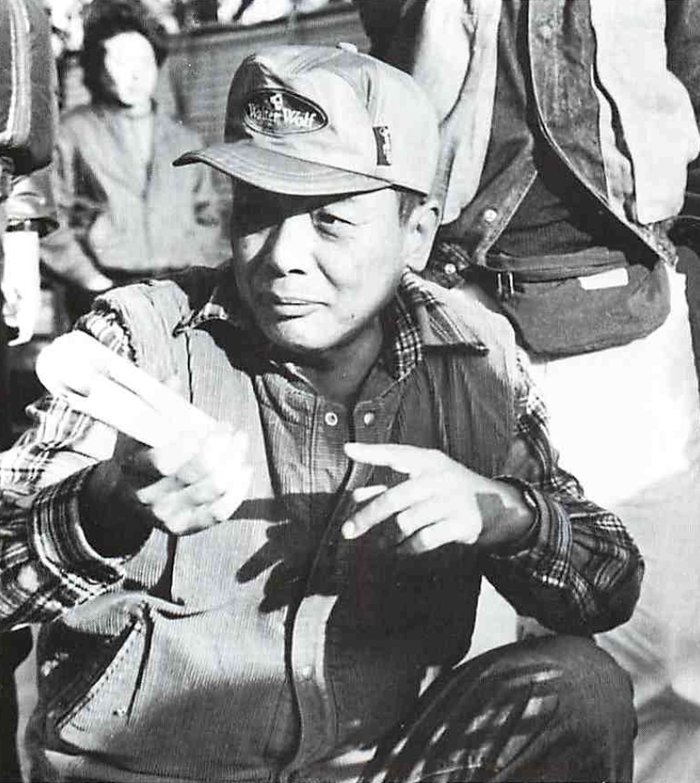
年 表
Chronology of a Filmmaker's Life
生誕から逝去まで、監督・前田陽一の歩みをたどります。
A timeline of the director's life and career, in Japanese and English.
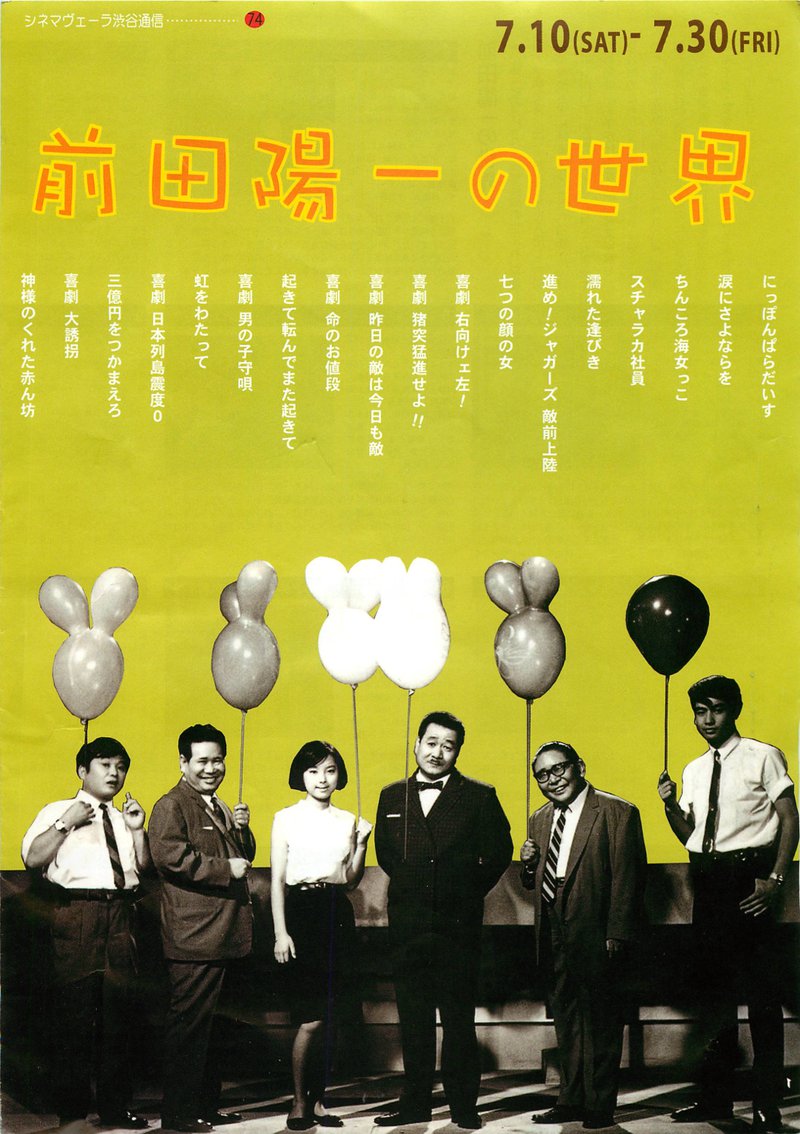
『前田陽一の世界』
"The World of Yoichi Maeda"
"The World of Yoichi Maeda"
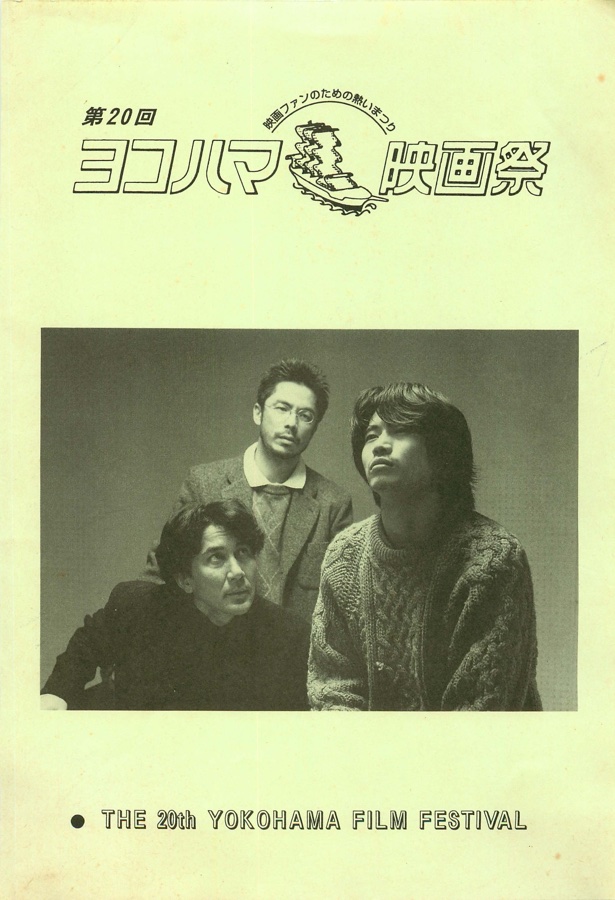
第20回ヨコハマ映画祭 特集
Yokohama Film Festival Retrospective
Yokohama Film Festival Retrospective
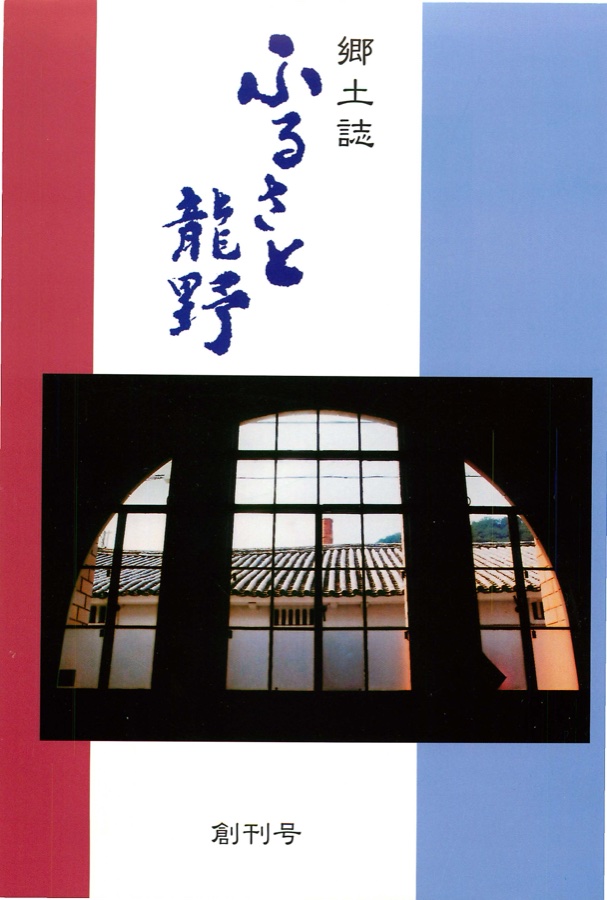
郷里・龍野の記録
From his hometown Tatsuno
From his hometown Tatsuno
少年期 ・ 学生時代 Early Life & Education
- 1934 12月14日、兵庫県揖保郡龍野町(現たつの市)に生まれる。 December 14 — Born in Tatsuno, Hyogo Prefecture.
- 1953 兵庫県立龍野高等学校を卒業、上京。 Graduated from Tatsuno High School and moved to Tokyo.
- 1953–58 早稲田大学第一文学部に在籍。文芸サークル「現文(現代文学研究会)」に参加し、後に交流の続く同窓と出会う。 Studied at Waseda University's School of Letters and joined the literary circle "Genbun," forming friendships that would last throughout his career.
- 1958 早稲田大学第一文学部卒業。 Graduated from the School of Letters, Waseda University.
松竹大船 ・ 助監督期 Shochiku Ofuna · Assistant-Director Years
- 1958.4 松竹株式会社に入社、大船撮影所配属。助監督として吉田喜重・渋谷実らに師事。 Joined Shochiku in April and was assigned to the Ofuna Studio, apprenticing as assistant director under Yoshishige Yoshida and Minoru Shibuya.
- 1958–63 松竹喜劇・松竹ヌーヴェルヴァーグの最盛期に現場を学ぶ。 Trained on set during the peak of Shochiku's comedy lineage and the studio's Nouvelle Vague.
監督デビュー ・ 喜劇時代 Directorial Debut & The Comedy Era
- 1964 「にっぽん・ぱらだいす」で監督デビュー(出演:加賀まりこ、長門裕之、加東大介ほか)。 Directorial debut with Nippon Paradise, starring Mariko Kaga, Hiroyuki Nagato and Daisuke Kato.
- 1965 「ちんころ海女っこ」「涙にさよならを」を監督。 Directed Chinkoro Amakko and Sayonara to Tears.
- 1966–67 「スチャラカ社員」「濡れた逢いびき」を監督。 Directed Sucharaka Salaryman and A Wet Tryst.
- 1968 小林信彦脚本「進め!ジャガーズ 敵前上陸」を発表。サイケデリックな映像と当時のロックを採り入れた異色のミュージカル喜劇で、後年カルト映画として再評価される。 Released Make Way for the Jaguars, written by Nobuhiko Kobayashi — a psychedelic musical comedy that became a cult favorite in later decades.
- 1969 「七つの顔の女」を監督。 Directed The Woman of Seven Faces.
- 1970 「喜劇 右むけェ左!」「喜劇 冠婚葬祭入門」「喜劇 あゝ軍歌」を立て続けに発表、喜劇監督としての地位を確立する。 Released three comedies in a single year — Right Face! Left!, A Primer of Ceremonies, and Ah, the Military Song — establishing his reputation as a leading comic director.
- 1971 「喜劇 猪突猛進せよ!!」「喜劇 昨日の敵は今日も敵」「喜劇 命のお値段」「起きて転んでまた起きて」を監督。 Directed four films, including Charge Ahead!!, Yesterday's Enemy is Today's Enemy, The Price of a Life, and Get Up, Fall Down, Get Up Again.
- 1972 「虹をわたって」(天地真理主演)、「喜劇 男の子守唄」を監督。 Directed Crossing the Rainbow, starring pop idol Mari Amachi, and The Man's Lullaby.
- 1973 「喜劇 日本列島震度0」を監督。 Directed Japan Archipelago: Seismic Intensity Zero.
- 1974 脚本「轢き逃げ家族」を執筆。 Wrote the screenplay Hit-and-Run Family.
- 1975 「三億円をつかまえろ」を監督(東宝系)。 Directed Catch the 300 Million Yen! (released through Toho).
- 1976 「喜劇 大誘拐」を監督。 Directed Comedy: The Great Kidnapping.
- 1977 夏目漱石原作「坊っちゃん」を監督。 Directed an adaptation of Soseki Natsume's Botchan.
- 1979 「神様のくれた赤ん坊」を監督。同年のキネマ旬報ベスト・テンに選出され、代表作の一つとなる。 Directed The Baby God Gave Me, named one of Kinema Junpo's ten best films of the year — among his most celebrated works.
転換期 ・ 1980 年代 Transition · The 1980s
- 1980 「土佐の一本釣り」を監督。 Directed The Pole-Liner of Tosa.
- 1982 「次郎長青春篇 つっぱり清水港」を監督。 Directed Jirocho's Youth: The Tough Port of Shimizu.
- 1983 「喜劇 家族同盟」を監督。 Directed The Family Alliance.
- 1983 第5回ヨコハマ映画祭で特別大賞を受賞。 Awarded the Special Grand Prize at the 5th Yokohama Film Festival.
- 1986 「Let's豪徳寺!」企画始動(『季刊芸術・駟路』に関連エッセイ「駟路」を寄稿)。 Began preparations for Let's Gotokuji!; published the essay Shiro in the quarterly Geijutsu.
- 1987 「Let's豪徳寺!」を監督。これが劇場用最後の完成作(生前公開作)となる。日本テレビ「女の手記」シリーズ(「不倫戦争」「温泉仲居物語」など)を演出。 Directed Let's Gotokuji!, his last completed theatrical feature released during his lifetime. Began directing entries in NTV's A Woman's Memoir drama series, including Adultery War and Hot-Spring Hostess Story.
- 1987.11 テレビ東京「土曜スペシャル:実録!府中刑務所24時」を演出。 Directed the TV Tokyo special Inside Fuchu Prison: 24 Hours.
テレビ時代 ・ ラグス設立期 Television Years · Founding of RAGUS
- 1989 日本テレビ「火曜サスペンス劇場:通勤快速殺人事件」を演出。 Directed The Commuter-Express Murder for NTV's Tuesday Suspense Theatre.
- 1990 水曜グランドロマン「小春日和」、火曜サスペンス「途中下車」(森村誠一原作)を演出。 Directed the Wednesday Grand Romance drama Indian Summer and the Tuesday Suspense entry Stopover, based on a novel by Seiichi Morimura.
- 1990年代前半 脚本家・永原秀一とともに脚本家事務所「ラグス」を共同主宰。テレビドラマ・CM等の企画と演出を兼務。 Co-founded the writers' studio "RAGUS" with screenwriter Hideichi Nagahara, combining drama development with directing for television and commercials.
- 1993 火曜サスペンス「離婚」を演出。 Directed Divorce for Tuesday Suspense Theatre.
- 1994 火曜サスペンス劇場「高価なツケ」「祭りの記憶」を演出。 Directed An Expensive Bill and Memories of the Festival for Tuesday Suspense Theatre.
- 1995 月曜ドラマスペシャル「観光バスが消えた──鳥羽・伊勢志摩ツアーの罠」を演出。雑誌『シナリオ』へ寄稿、復帰のためのエッセイを連載。 Directed the Monday Drama Special The Tour Bus that Vanished: The Trap of the Toba/Ise-Shima Tour; began contributing essays to the screenwriting journal Scenario.
- 1996 テレビ東京「町おこし村おこし──岐阜県明智町」を演出(5月5日放送)。 Directed the TV Tokyo documentary Town Revival: Akechi-cho, Gifu, broadcast May 5.
- 1997.1 「エッセイごっこ」連載開始。 Began the essay column Pretending to Essay.
- 1997.4 テレビ東京「土曜スペシャル:地図にない鉄道の旅」を演出(4月26日放送)。 Directed the TV Tokyo travel special A Train Ride Off the Map, broadcast April 26.
晩年 Final Years
- 1995–98 「銀幕復活作戦」と題した劇場映画への復帰運動を展開。1995年6月に建議書を起案。 Pursued his "Silver Screen Revival Plan," circulating a manifesto in June 1995 to return to theatrical filmmaking.
- 1998.4 小林信彦原作「新唐獅子株式会社」のクランクイン。久々の劇場映画として大きな期待が寄せられた。 Began principal photography on New Karajishi Kabushiki Kaisha, adapted from a novel by Nobuhiko Kobayashi — his long-awaited return to theatrical cinema.
- 1998.5.3 クランクイン約1週間後、肝不全のため逝去。享年63。同作は弟子の南部英夫らが完成させた。 May 3 — Died of liver failure roughly a week into shooting, aged 63. The film was completed by his pupils, headed by Hideo Nanbu.
没後 Posthumous
- 1998.冬 『映画芸術』1998年WINTER号で「追悼・前田陽一」特集が組まれる。 The film magazine Eiga Geijutsu publishes a memorial issue, "In Memoriam: Yoichi Maeda."
- 1999.1 中野武蔵野ホールにて「前田陽一映画祭」開催。 The Nakano Musashino Hall hosted the "Yoichi Maeda Film Festival."
- 1999.2 第20回ヨコハマ映画祭で審査員特別賞を受賞。 Awarded the Jury's Special Prize at the 20th Yokohama Film Festival.
- 1999 遺作「新唐獅子株式会社」が劇場公開される。 New Karajishi Kabushiki Kaisha, his final film, was released theatrically.
- 2004.8–9 東京・本駒込の三百人劇場で特集「社会派コメディの変遷 渋谷実と前田陽一」が開催される。 A retrospective "The Evolution of Social Comedy: Minoru Shibuya & Yoichi Maeda" was held at Sanbyakunin Theatre in Hongo Komagome, Tokyo (August–September 2004).
- 2010.7 東京・シネマヴェーラ渋谷で特集「前田陽一の世界」が開催され、19作品が上映される。 A retrospective titled "The World of Yoichi Maeda" was held at Cinema Vera Shibuya in Tokyo (July 2010), screening 19 of his films.
- 2011 第36回湯布院映画祭で前田陽一監督特集が開催される。 A Yoichi Maeda retrospective was featured at the 36th Yufuin Film Festival.
- 2010年代 遺稿集『含羞のエンドマーク』編まれる。湯布院映画祭、姫路文学館などで継続的に紹介される。 The posthumous essay collection Ganshu no End-mark is compiled; his work continues to be programmed by the Yufuin Film Festival and exhibited at the Himeji City Museum of Literature.
-
2024.4–5 Major Retrospective 「起きて転んでまた起きて 前田陽一の反マジメ精神喜劇ぱらだいす」
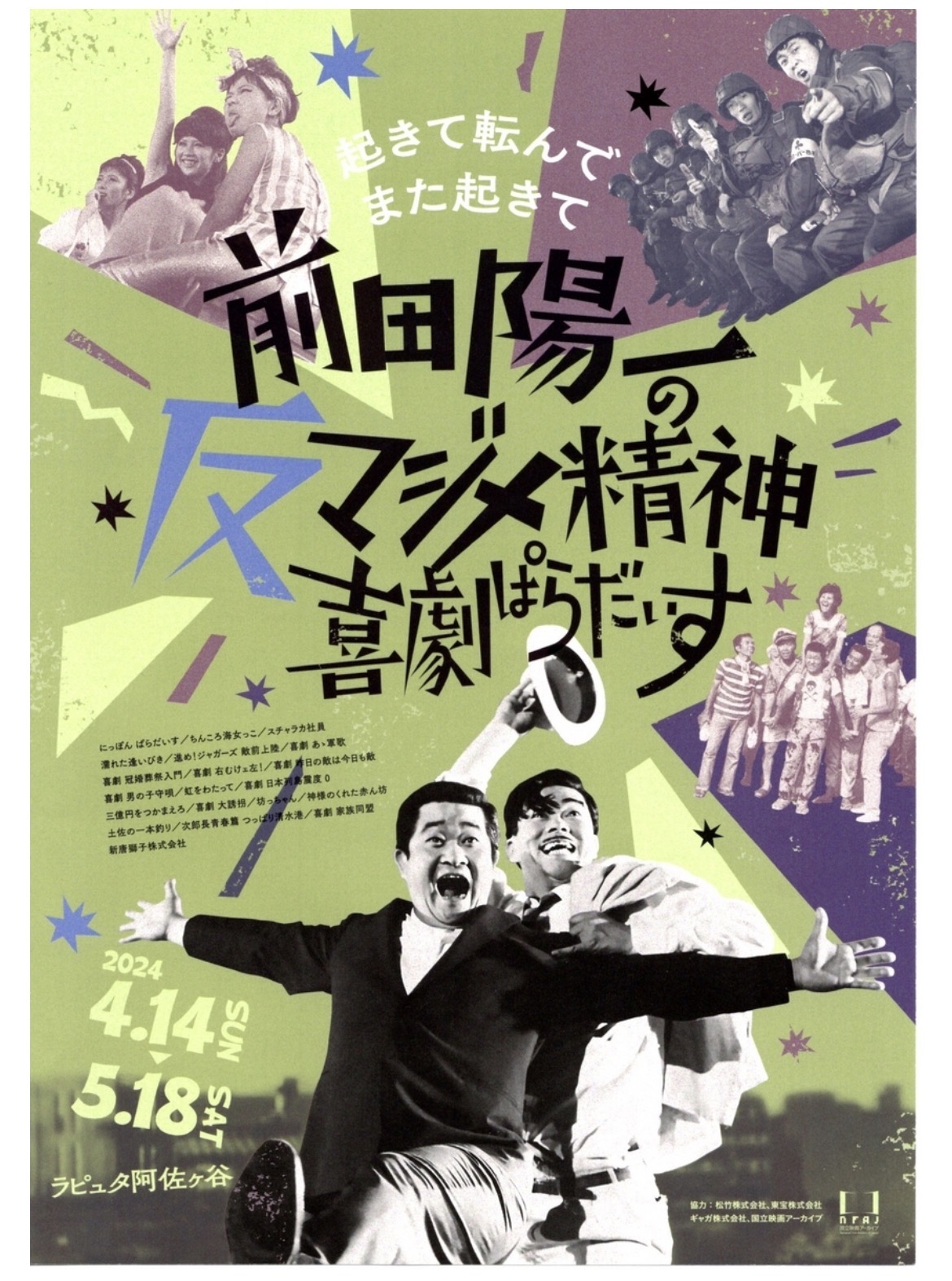 公式ポスター
Official Poster
ラピュタ阿佐ヶ谷にて回顧上映が開催される。 4月14日(日)から5月18日(土)までの会期で全 20 作品を上映。 トークゲストとして香山美子(『にっぽん ぱらだいす』上映後)、 日色ともゑ(『虹をわたって』上映後)、 なべおさみ(『喜劇 右むけェ左!』上映後)、 南部英夫(『神様のくれた赤ん坊』上映後)らが登壇し、 前田映画の魅力を改めて世に問うた。 April 14 – May 18 — "Getting Up, Falling Down, Getting Up Again: Yoichi Maeda's Anti-Serious Spirit Comedy Paradise" is held at Laputa Asagaya Theatre in Tokyo. Twenty features are screened across five weeks, with in-person guest talks by actresses Yoshiko Kayama and Tomoe Hishiki, actor Osami Nabe, and Maeda's pupil director Hideo Nanbu.
本年表は当アーカイブ所蔵の手書き資料・新聞記事・追悼文、ならびに松竹公式データベースおよび一般公開資料に基づき作成しています。
Compiled from the holdings of this archive together with publicly available references including the Shochiku database.