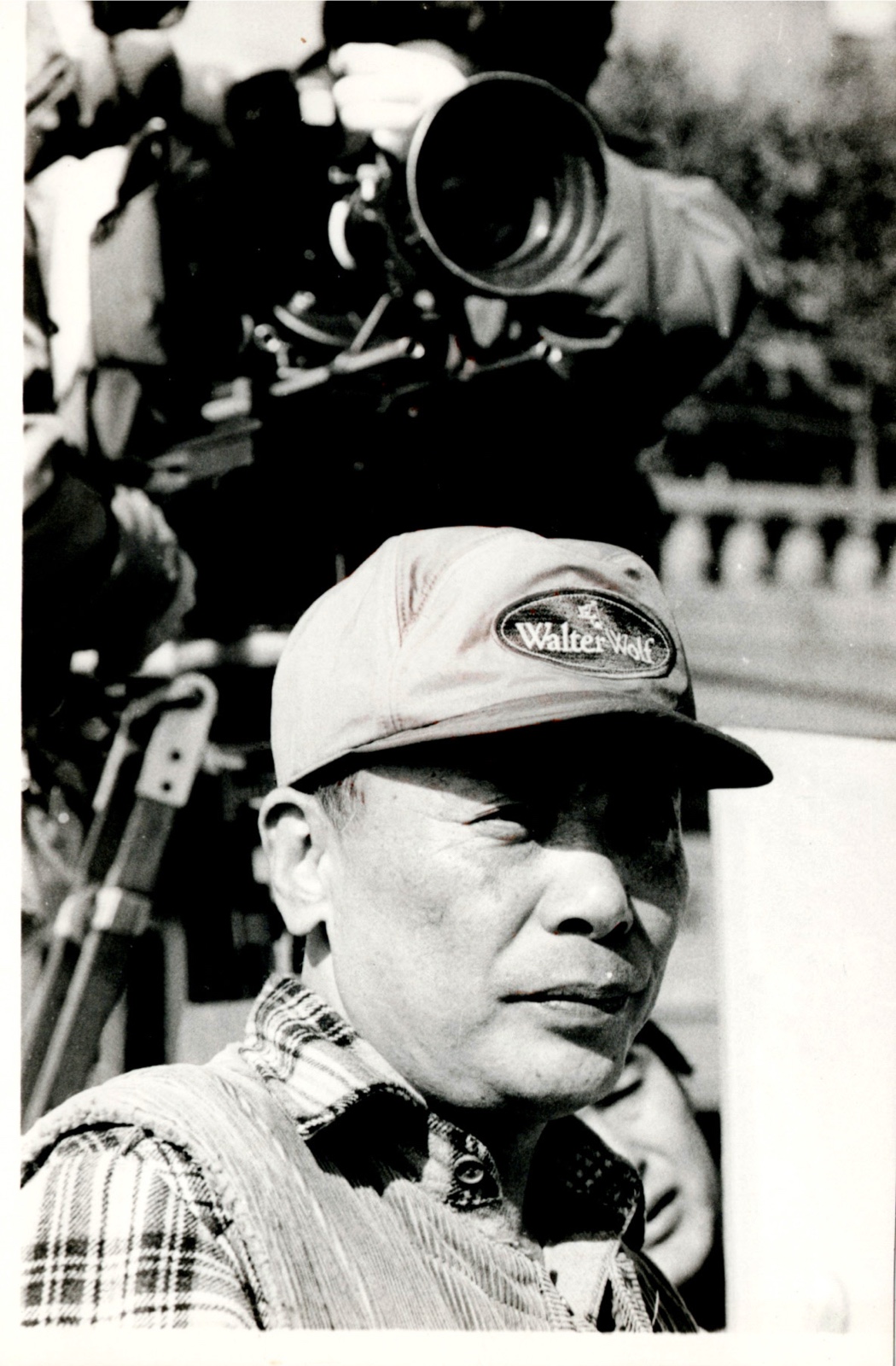
兵庫県龍野(現たつの市)に生まれ、松竹大船撮影所の喜劇映画を支えた監督。
A Japanese film director from Tatsuno, Hyogo, who shaped the comedy lineage of Shochiku Ofuna Studio.
はじめに Introduction
前田陽一は、1958年に松竹大船撮影所へ入社し、吉田喜重・渋谷実らに師事した後、 1964年「にっぽん・ぱらだいす」で監督デビューを果たした。 以後、松竹で17本、東宝で3本の劇場映画を演出し、戦後日本の喜劇映画を代表する一人となった。
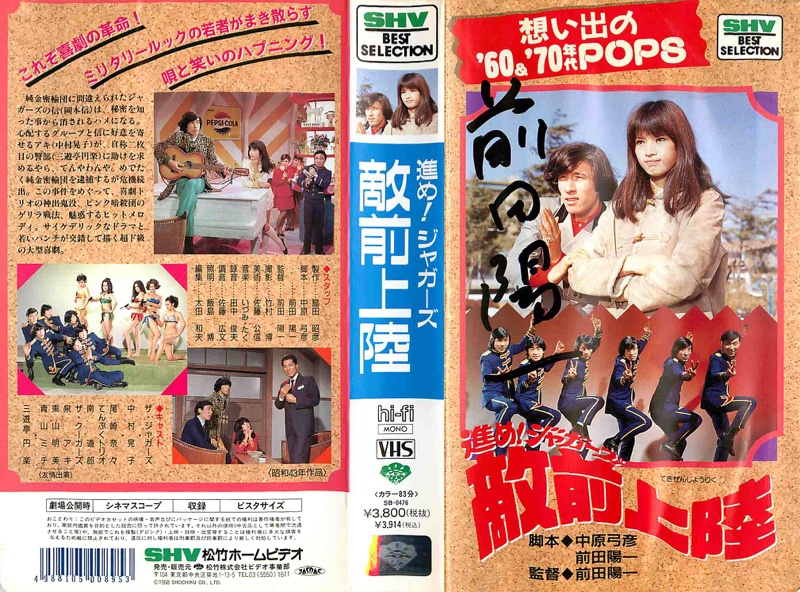
代表作に「進め!ジャガーズ 敵前上陸」(1968)、「喜劇 あゝ軍歌」(1970)、 「神様のくれた赤ん坊」(1979)など。劇場映画の斜陽期には活躍の場をテレビへ移し、 「火曜サスペンス劇場」「土曜ワイド劇場」「月曜ドラマスペシャル」などで多くの作品を残した。
脚本家・永原秀一とともに脚本家事務所「ラグス」を共同主宰し、 ヒガシマル醤油・揖保乃糸など、播州(兵庫県西播)にゆかりの深いCM作品も手がけた。 1998年5月3日、復帰作「新唐獅子株式会社」のクランクイン直後に倒れ、肝不全により逝去。享年63。
Yoichi Maeda joined Shochiku's Ofuna Studio in 1958 and apprenticed under Yoshishige Yoshida and Minoru Shibuya before making his directorial debut in 1964 with Nippon Paradise. Over his theatrical career he directed seventeen features for Shochiku and three for Toho, becoming one of the signature comedic voices of postwar Japanese cinema.
His best-known works include Make Way for the Jaguars (1968) — a psychedelic musical comedy now regarded as a cult classic — Kigeki: Aa Gunka (1970), and The Baby God Gave Me (1979). As theatrical production declined, he moved gracefully into television, directing numerous prime-time mystery dramas for Nippon TV's Tuesday Suspense Theatre, TV Asahi's Saturday Wide Theatre, and others.
With screenwriter Hideichi Nagahara he co-founded the writers' studio "RAGUS," and directed commercials closely tied to his native Banshu region — notably for Higashimaru Soy Sauce and Ibonoito somen noodles. He died on May 3, 1998 of liver failure at age 63, only a week after beginning his comeback feature New Karajishi Kabushiki Kaisha; his pupils completed the picture in his stead.
代表作ハイライト Selected Films
松竹を中心に20本の劇場映画を演出。喜劇に社会風刺と人情を織り込んだ独自の作風。
Twenty theatrical features that braided comedy with social satire and tender humanity.
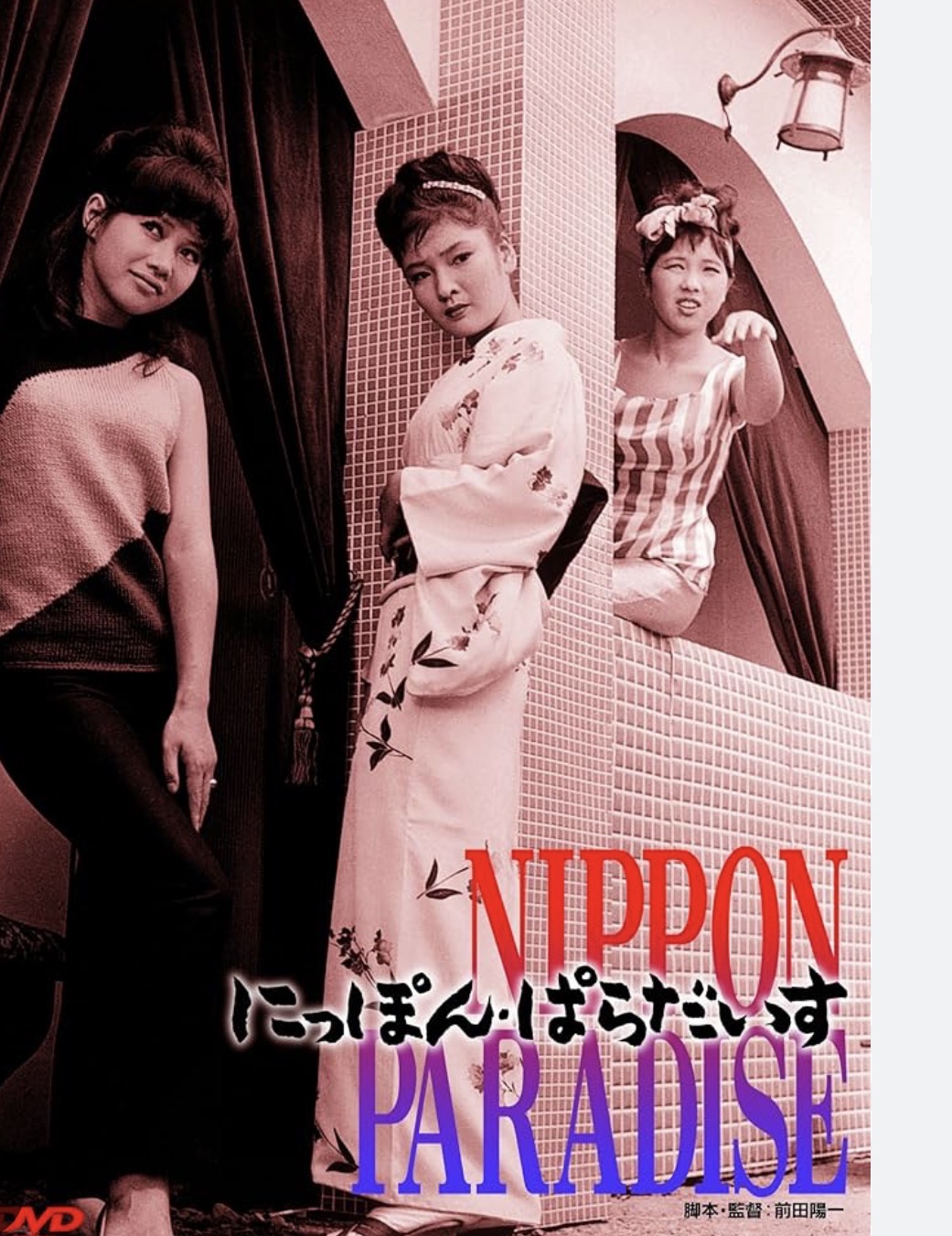
Nippon Paradise
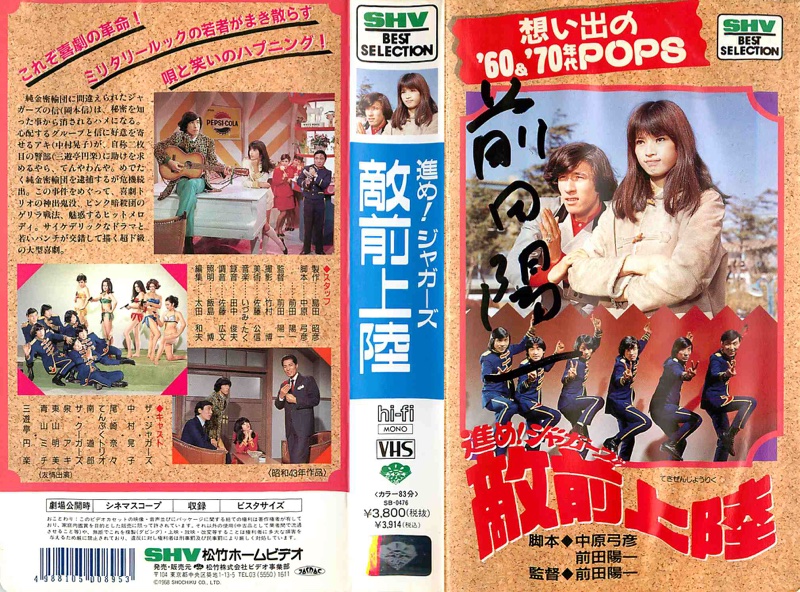
Make Way for the Jaguars
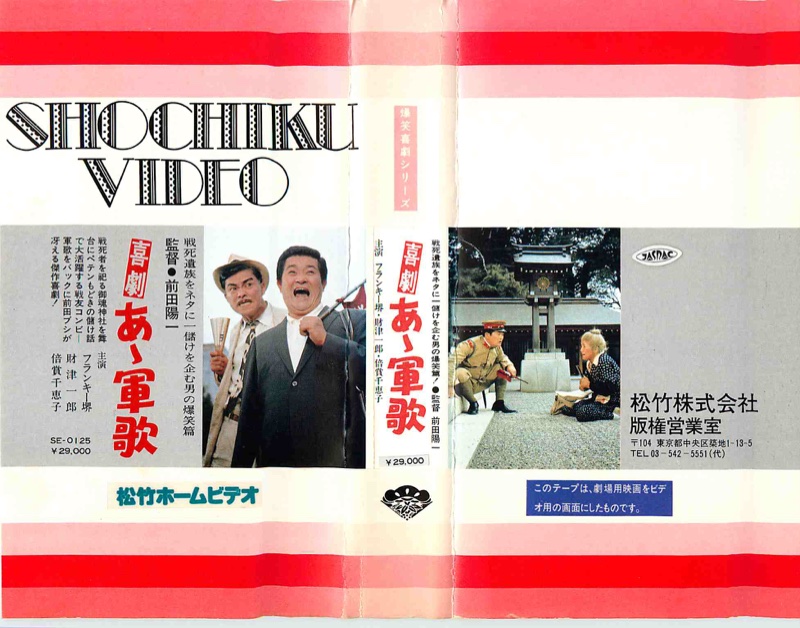
Ah, the Military Song
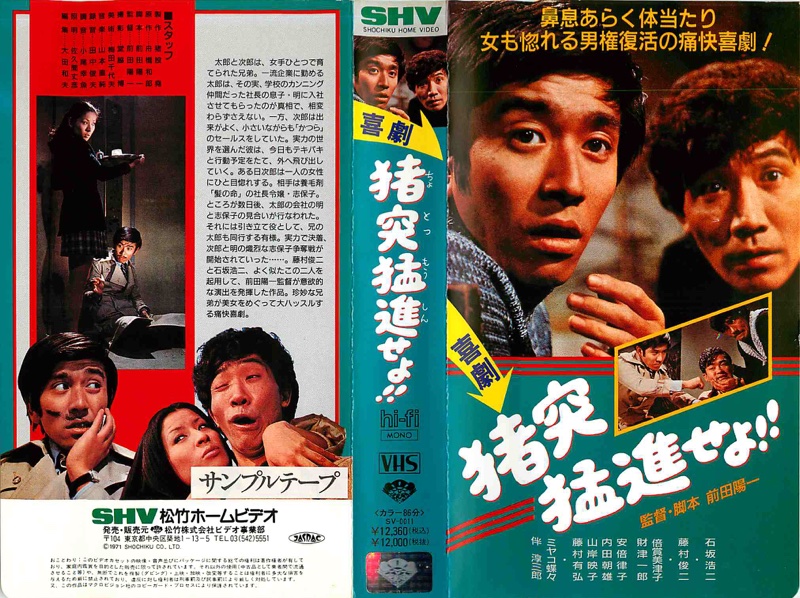
Charge Ahead!!
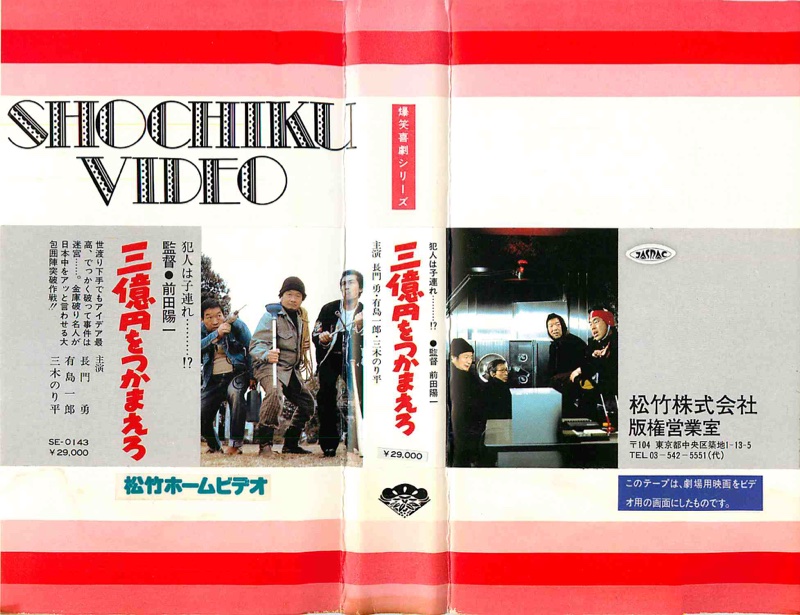
Catch the 300 Million Yen!
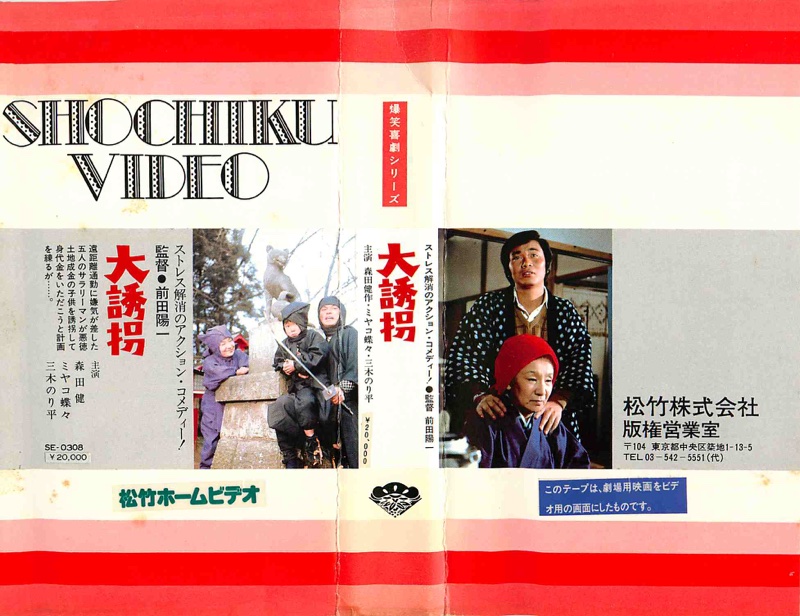
The Great Kidnapping
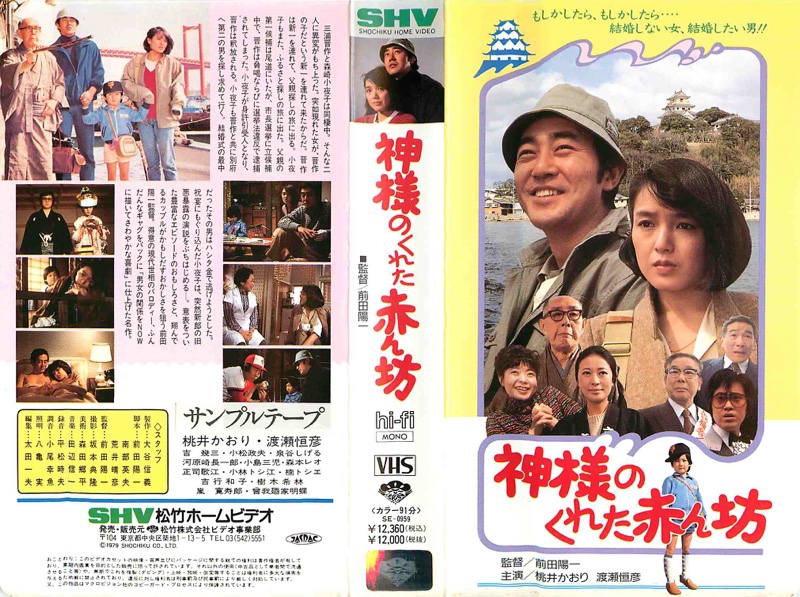
The Baby God Gave Me
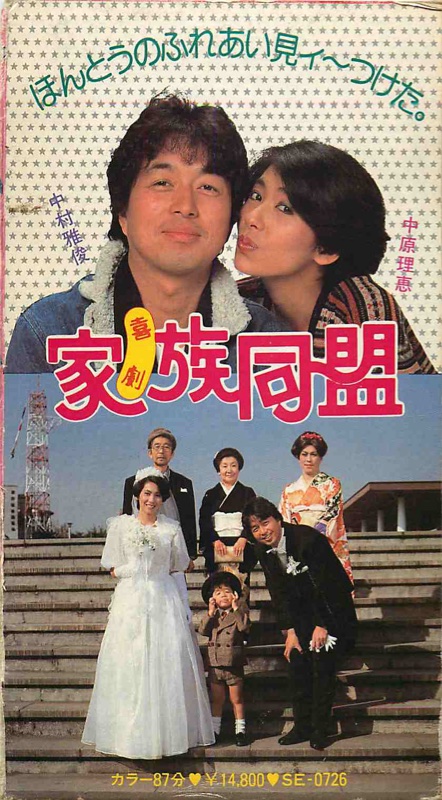
The Family Alliance
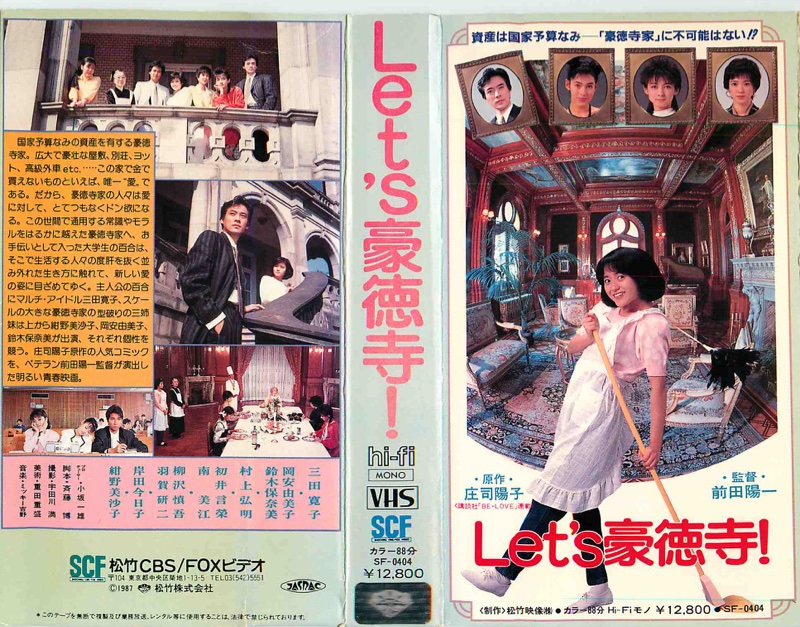
Let's Gotokuji!
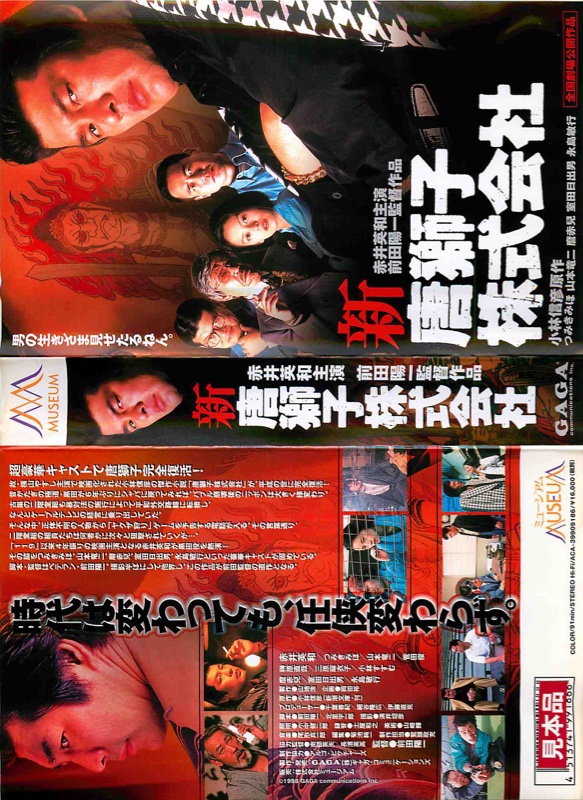
New Karajishi Co.
▶ 全作品リストを見る / View the full filmography
このサイトの構成 Site Map
Chronology
年 表
生誕から逝去まで、監督・前田陽一の歩みを年代順にたどります。
A year-by-year account of the director's life and career.
Works
作品集
劇場映画・テレビドラマ・CM・文筆作品を分野別に一覧。
Films, television dramas, commercials and writings — organised by medium.
主な功績 Principal Achievements
映画
松竹大船で17本、東宝で3本の劇場長編を演出。
受賞
「神様のくれた赤ん坊」「大誘拐」など、各映画祭・キネマ旬報誌等で高い評価。
回顧上映
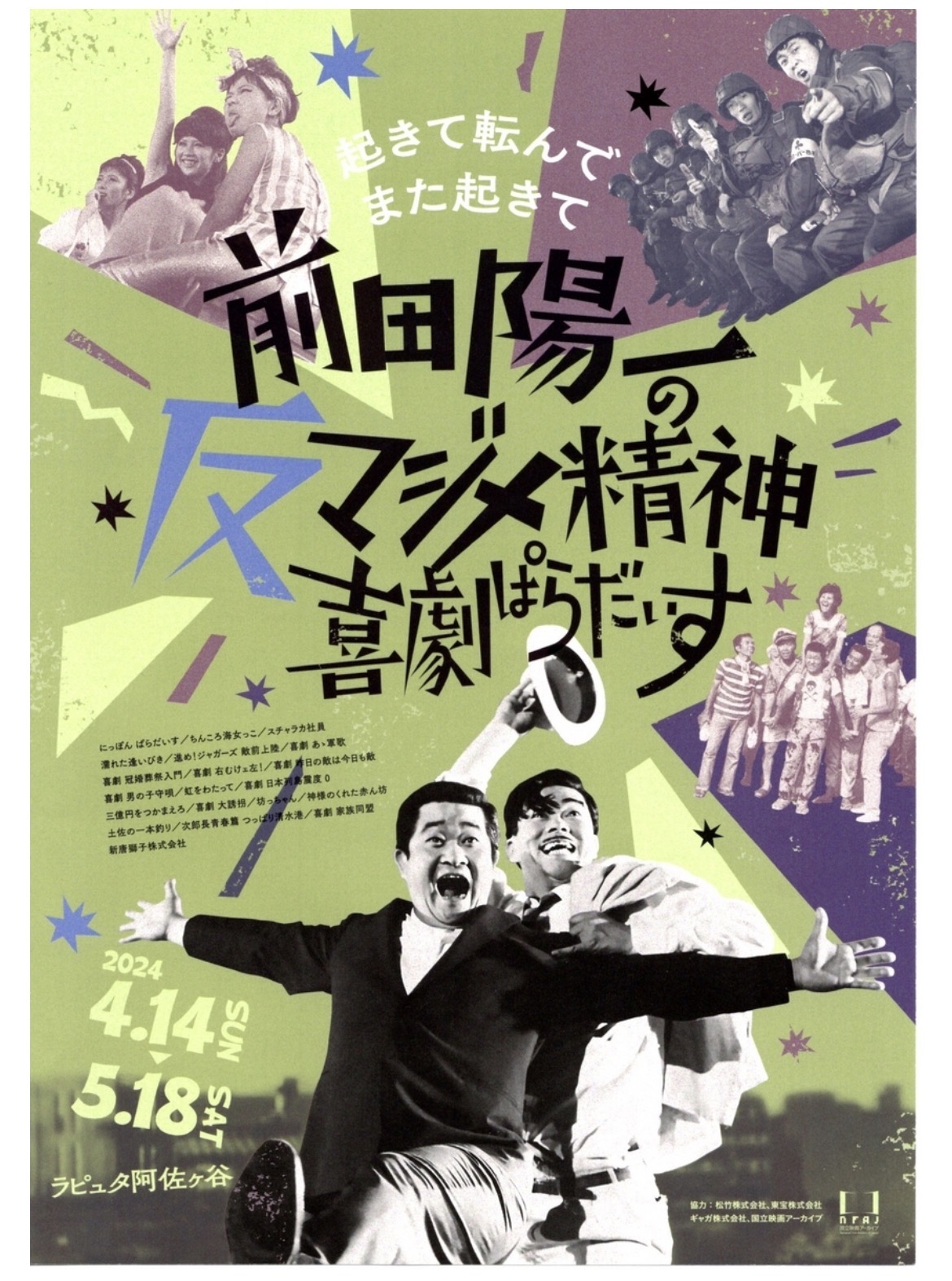
第20回ヨコハマ映画祭、第36回湯布院映画祭などで特集上映。
出版
遺稿集『含羞のエンドマーク』、エッセイ「メガホンとえんぴつ」「新人監督のころ」など。
後進育成
日本映画学校で「五百尺実習」などを担当、後進の指導にも尽力。
Films
Twenty theatrical features at Shochiku Ofuna and Toho.
Recognition
Praise from Kinema Junpo and Japanese film festivals for
The Baby God Gave Me and The Great Kidnapping.
Retrospectives
Featured at the 20th Yokohama Film Festival and the 36th Yufuin Film Festival.
Writings
Posthumous collection Ganshu no End-mark; essays
Megaphone and Pencil and Days of a Young Director.
Mentorship
Taught the "500-Foot Practicum" at the Japan Academy of Moving Images,
nurturing the next generation of filmmakers.
人物像 A Portrait
松竹喜劇の流れを継ぎながらも、社会派の視線と人情の機微を併せもつ作風で知られた。 評論家・坪内祐三は、その作家性を「含羞(がんしゅう)」という一語で評している。 郷里・播州(兵庫県たつの)への愛着が深く、ヒガシマル醤油や揖保乃糸など故郷の産業を舞台にしたCMにもその情熱が色濃く反映されている。
Heir to the Shochiku comic tradition, Maeda balanced gentle slapstick with a clear-eyed social conscience and an affection for ordinary lives. The critic Yuzo Tsubouchi summed up his sensibility in a single word — ganshu, "bashfulness." His deep attachment to his native Banshu region runs through every commercial he made for the soy-sauce and somen-noodle makers of Tatsuno.
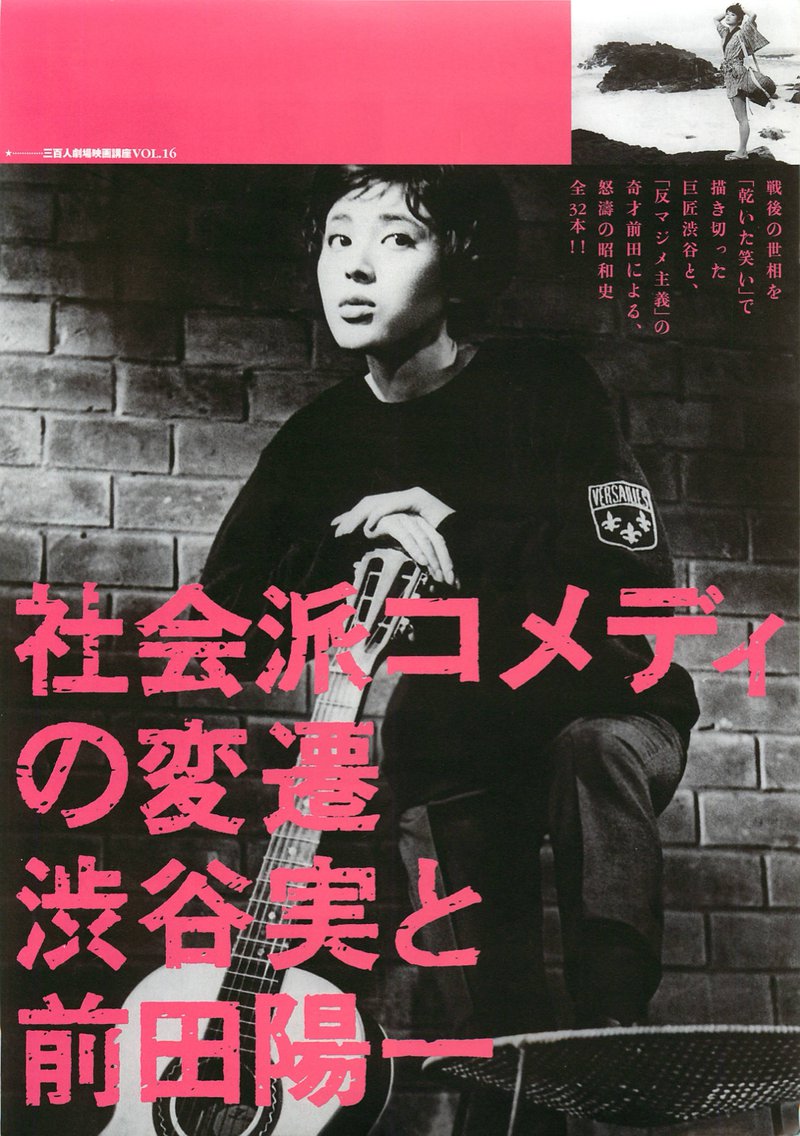
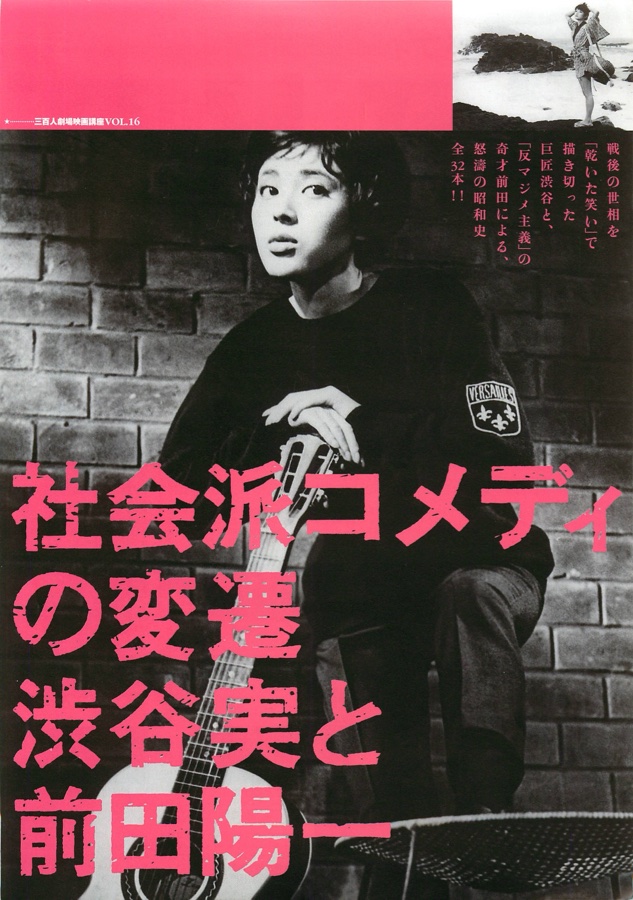
Sanbyakunin Theatre — "The Evolution of Social Comedy"
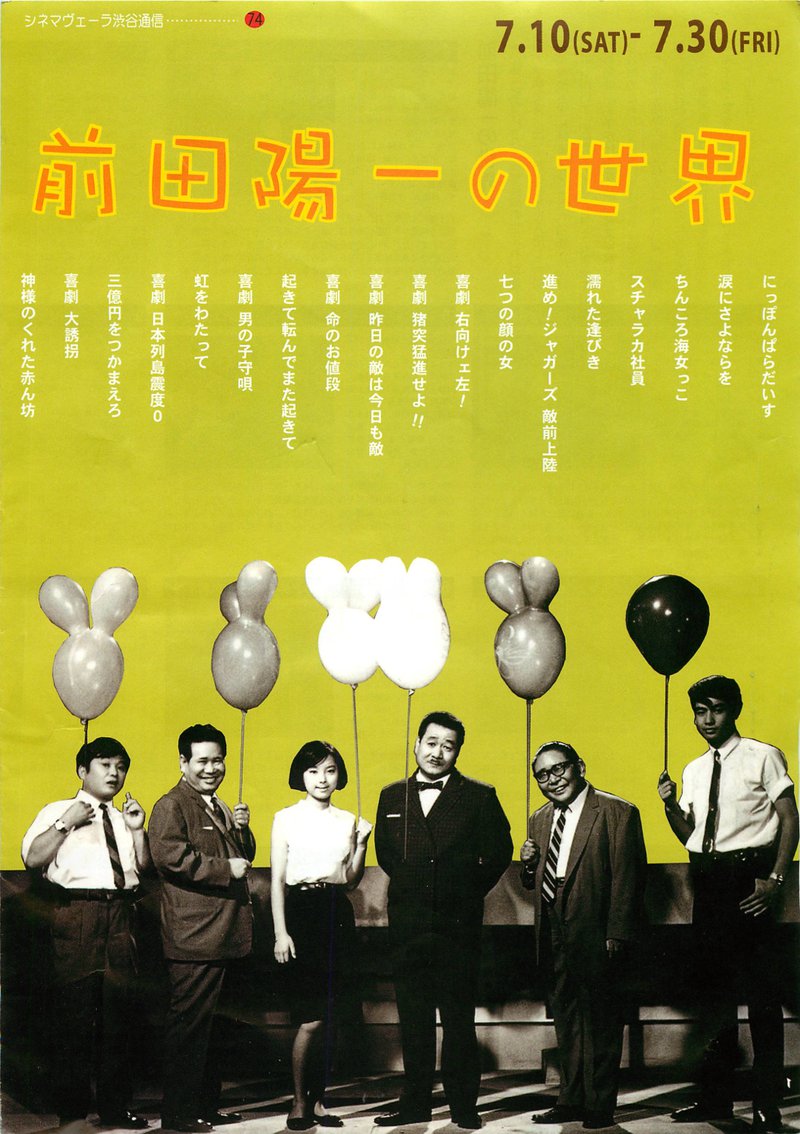
Pamphlet — "The World of Yoichi Maeda"
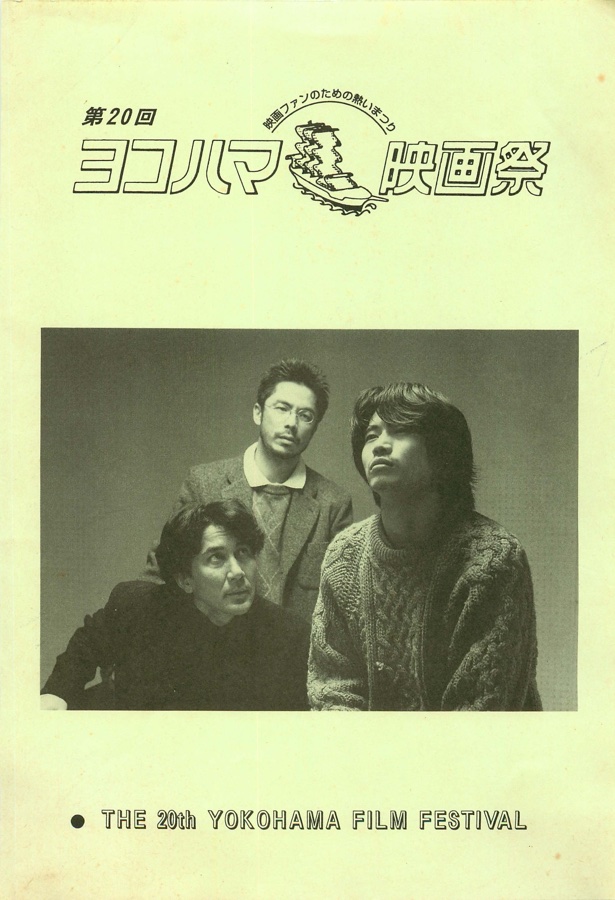
20th Yokohama Film Festival
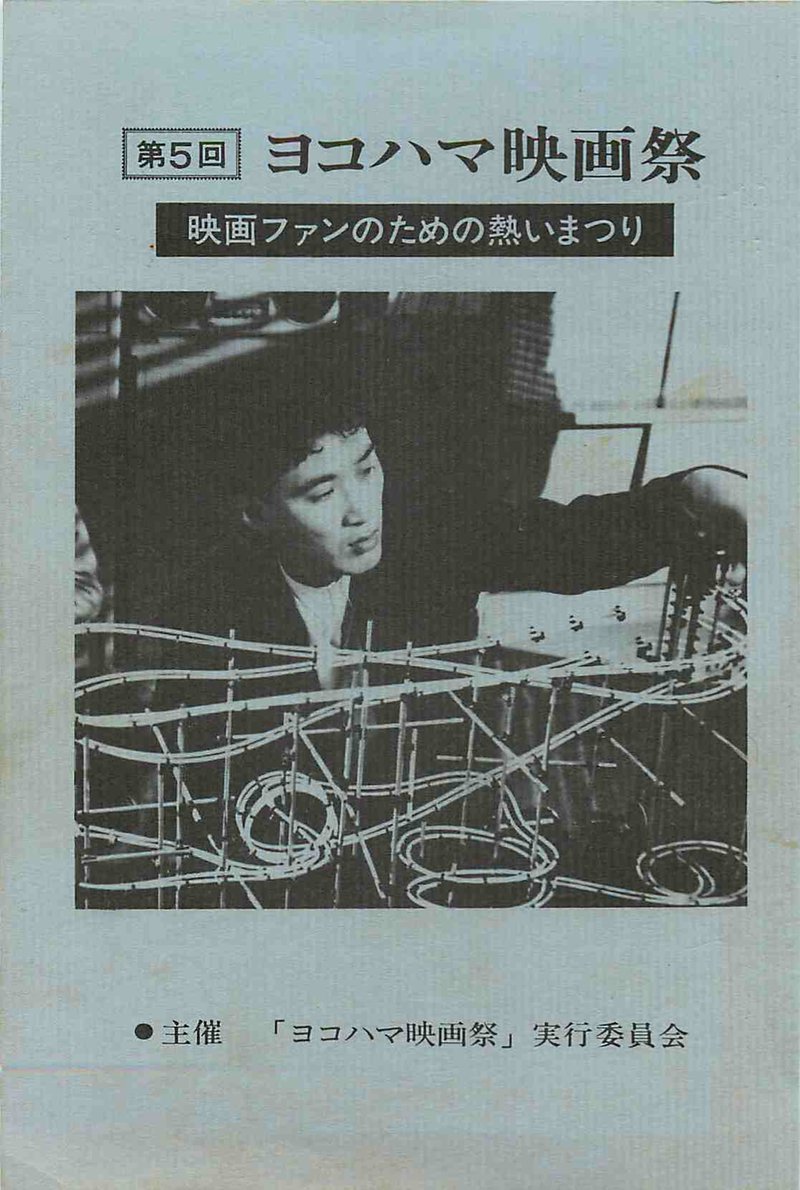
5th Yokohama Film Festival
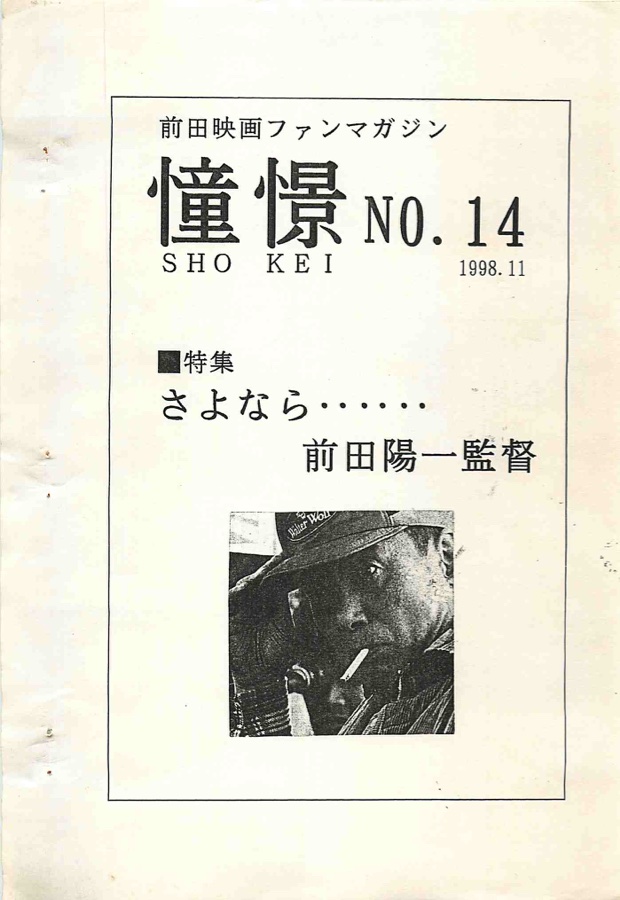
Fan Magazine "Shokei"
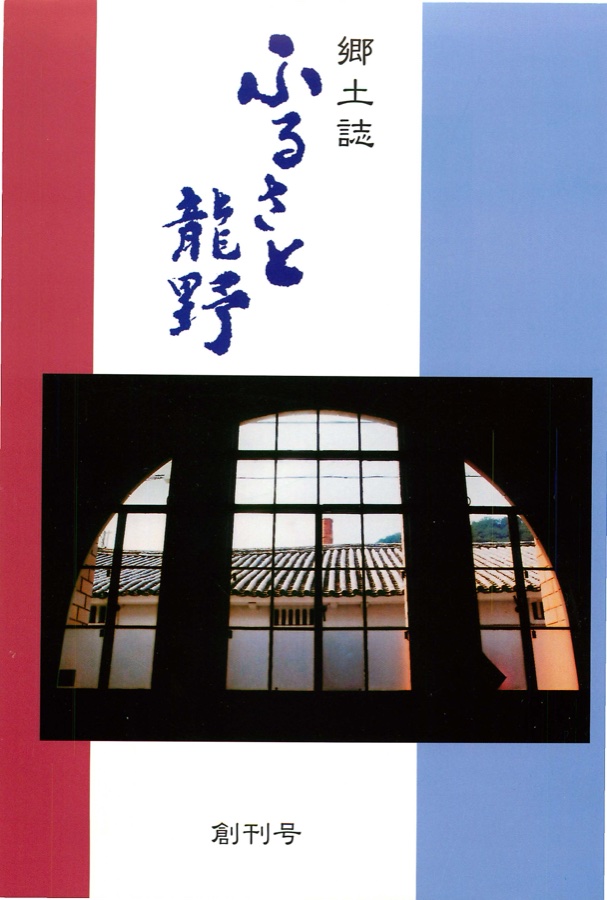
Local journal "Furusato Tatsuno"
お問い合わせ Contact
本サイトに関するお問い合わせは、下記フォームよりお送りください。 For inquiries about Yoichi Maeda's works, archival materials, or retrospective screenings, please use the form below.
※ ご返信には数日いただく場合があります。あらかじめご了承ください。
Please allow several days for our reply.